Meet Your New Secret Weapon: Why AI-Powered CRM is the Sidekick You Actually Need

Remember the days when CRM software was basically just a digital graveyard for business cards? You’d spend hours painstakingly typing in names, emails, and phone numbers, only for that data to sit there, gathering virtual dust until the next time you had to blast out a generic email. It was clunky, it was tedious, and let’s be honest, it was a bit of a buzzkill. Fast forward to today, and the landscape has changed dramatically. Welcome to the era of AI-powered CRM—the smart, proactive, and slightly psychic sidekick your sales team has been dreaming of.
What Exactly Is an AI-Powered CRM?




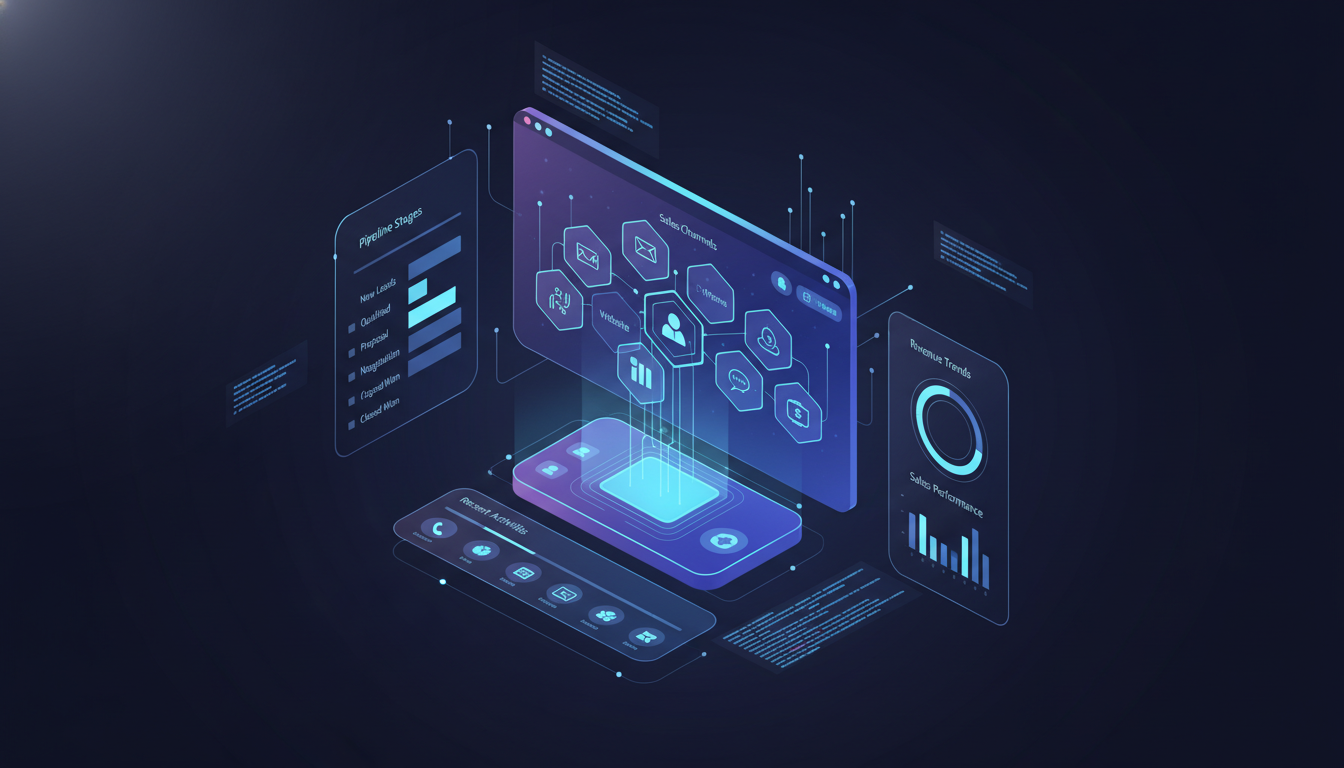
Before we dive into the juicy details, let’s demystify the tech. At its core, an AI-powered CRM is a traditional Customer Relationship Management system that’s been injected with a healthy dose of Artificial Intelligence and Machine Learning. Instead of just storing data, it learns from it. It looks for patterns, predicts outcomes, and offers suggestions that can help you close deals faster than you can say ‘quarterly targets.’
Think of it like this: if a standard CRM is a basic map, an AI CRM is a high-end GPS with real-time traffic updates, weather warnings, and a feature that tells you exactly when to pull over for the best tacos in town. It doesn’t just show you where you are; it tells you where you should be going.
The End of the Data Entry Nightmare
Let’s start with every salesperson’s favorite thing to hate: manual data entry. We’ve all been there—trying to remember if you met ‘Steve from Marketing’ or ‘Mark from Steve’s Marketing’ while frantically typing notes after a long day of meetings. AI-powered CRMs are here to end that drudgery.
Modern AI systems can automatically pull information from your emails, calendar, and even social media profiles to keep your records updated. If a lead changes their job title on LinkedIn, the AI catches it. If you have a thirty-minute Zoom call, the AI can transcribe the highlights and add them to the contact’s history. This isn’t just about saving time; it’s about ensuring your data is actually accurate. When the ‘robots’ handle the busy work, humans can focus on what they do best: building relationships.

Lead Scoring: Identifying the ‘Hot’ Ones
Not all leads are created equal. Some are ready to sign on the dotted line, while others are just ‘kicking the tires.’ Traditionally, lead scoring was a bit of a guessing game based on arbitrary points. AI changes the game by using ‘Predictive Lead Scoring.’
By analyzing thousands of historical data points from your previous wins and losses, the AI can identify the specific behaviors that lead to a sale. It might notice that leads who visit your pricing page three times and download a specific whitepaper are 80% more likely to convert. The AI then flags these ‘hot’ leads for your team immediately. No more wasting time on cold trails; you’re always swinging at the balls most likely to be home runs.
Reading Between the Lines with Sentiment Analysis
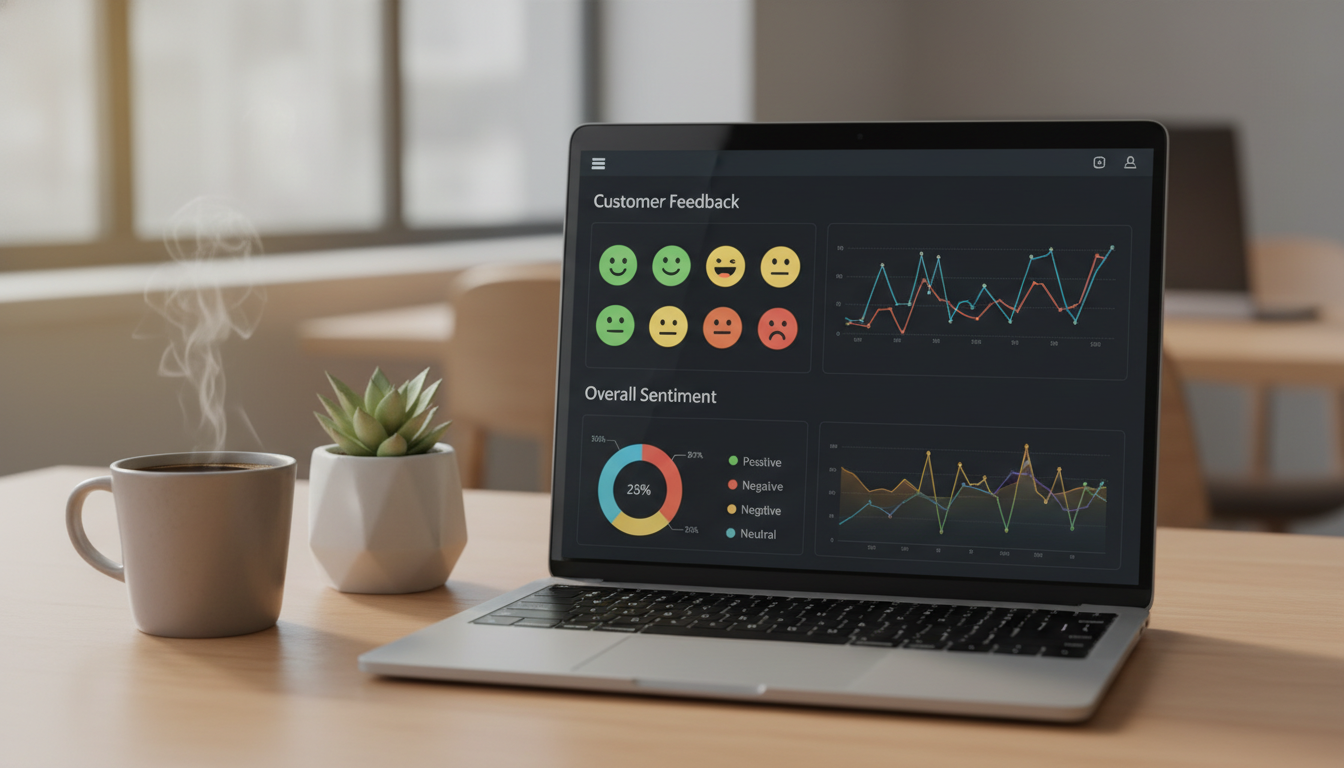
Have you ever received an email from a client and couldn’t quite tell if they were ‘busy-short’ or ‘angry-short’? AI-powered CRMs now come equipped with Sentiment Analysis. By using Natural Language Processing (NLP), the software can scan the tone of incoming emails and chat messages.
If the AI detects frustration or a negative shift in tone, it can alert an account manager to reach out before the relationship sours. On the flip side, if the sentiment is overwhelmingly positive, it might suggest that now is the perfect time to ask for a referral or an upsell. It’s like having a digital mood ring for your entire customer base.
Personalization at Scale (Without the ‘Creep’ Factor)
In today’s market, ‘To Whom It May Concern’ is basically a one-way ticket to the trash folder. Customers expect personalization, but doing that for 500 leads manually is impossible. AI enables ‘Personalization at Scale.’
AI CRMs can suggest the best time to send an email to a specific individual based on when they usually open their inbox. It can recommend specific products or content based on their past browsing behavior. It allows you to send messages that feel deeply personal and relevant, without you having to spend twenty minutes researching every single person. It’s the difference between a mass-produced flyer and a handwritten note.
Forecasting That Actually Works
Sales forecasting has historically been a mix of math and ‘gut feeling.’ Unfortunately, gut feelings are notoriously unreliable when the end of the month is looming. AI takes the emotion out of the equation. By looking at the current pipeline, historical conversion rates, and even external market trends, AI can provide a incredibly accurate forecast of where you’ll land by the end of the quarter.
This allows leadership to make better decisions. Should we hire more staff? Should we increase the marketing budget? With AI-driven insights, you’re not just guessing; you’re operating with a data-backed roadmap.
Making the Leap: Is It Time?
You might be thinking, ‘This sounds great for a tech giant, but what about my medium-sized business?’ The beauty of the current AI boom is that these tools are becoming more accessible and affordable than ever. Many popular CRM platforms are integrating AI features directly into their standard tiers.
The key is to start small. You don’t need to automate your entire sales process overnight. Start by letting the AI handle your data cleaning or lead scoring. Once you see the time saved and the accuracy gained, you’ll wonder how you ever lived without it.
The Final Word
AI isn’t coming for your job; it’s coming to make your job suck less. By removing the administrative burden, providing deep insights, and helping you understand your customers on a human level, AI-powered CRM software empowers you to be more creative, more strategic, and ultimately, more successful.
So, are you ready to stop being a data entry clerk and start being a sales superhero? The AI revolution is already here, and it’s time to plug in.