From Chaos to Conversions: The Ultimate Guide to Marketing Automation with CRM

#
The ‘Oh Snap’ Moment: Why Manual Marketing is Dying



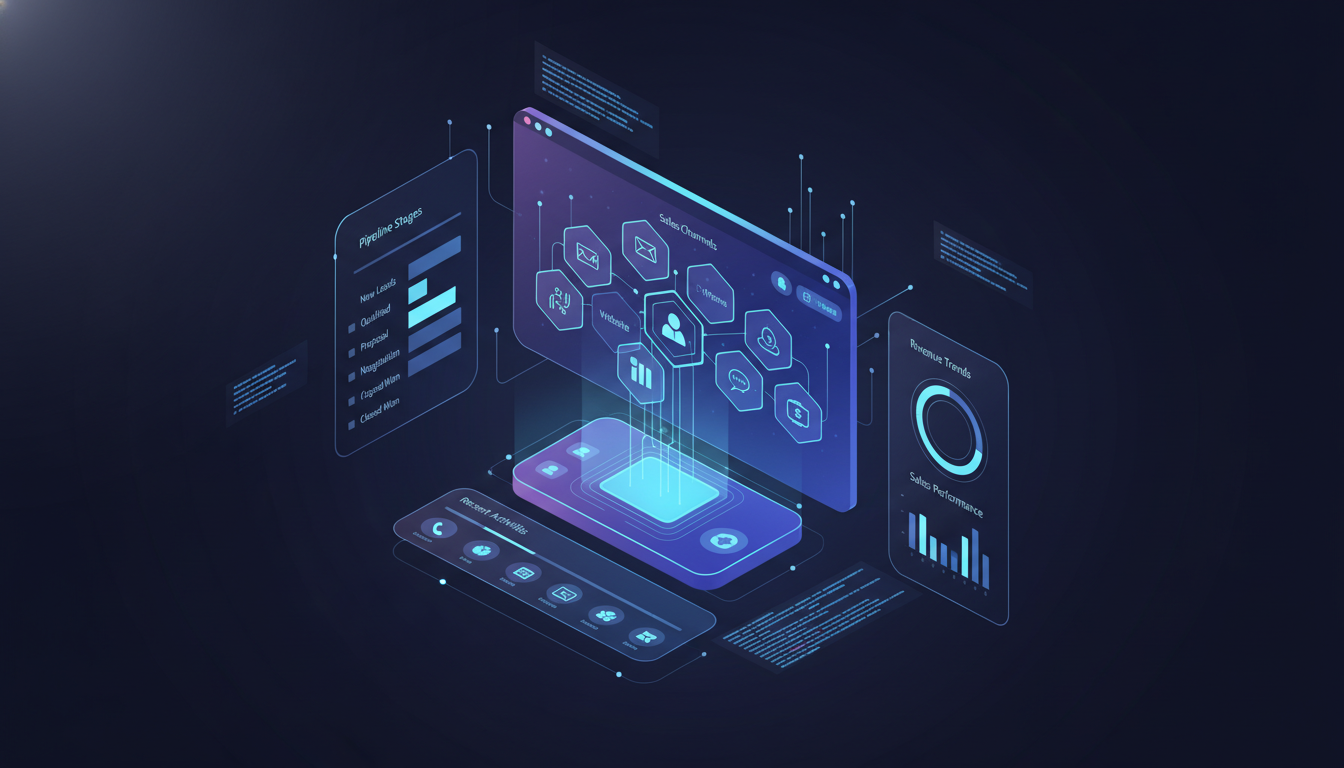

Picture this: You’ve just launched a killer campaign. The leads are pouring in. Your phone is buzzing like a beehive on caffeine. At first, you’re thrilled. But then, reality sets in. You have 500 new sign-ups, three dozen inquiries in your LinkedIn DMs, and a stack of business cards from last week’s mixer that you haven’t even touched.
You try to send personalized emails to everyone. By lead number 15, your brain is mush. By lead 50, you’re copy-pasting the same generic message. By lead 100? You’re staring at a wall, wondering if you can just move to a cabin in the woods and never see a spreadsheet again.
This is where the magic happens. Or rather, where it should happen. Welcome to the world of Marketing Automation powered by CRM (Customer Relationship Management). It’s not just a buzzword; it’s your new best friend, your tireless intern, and your strategic genius all rolled into one.
The Secret Sauce: What is This Wizardry?
At its core, marketing automation is about using software to automate repetitive marketing tasks. We’re talking about those soul-crushing chores like sending welcome emails, posting to social media, or tagging leads.
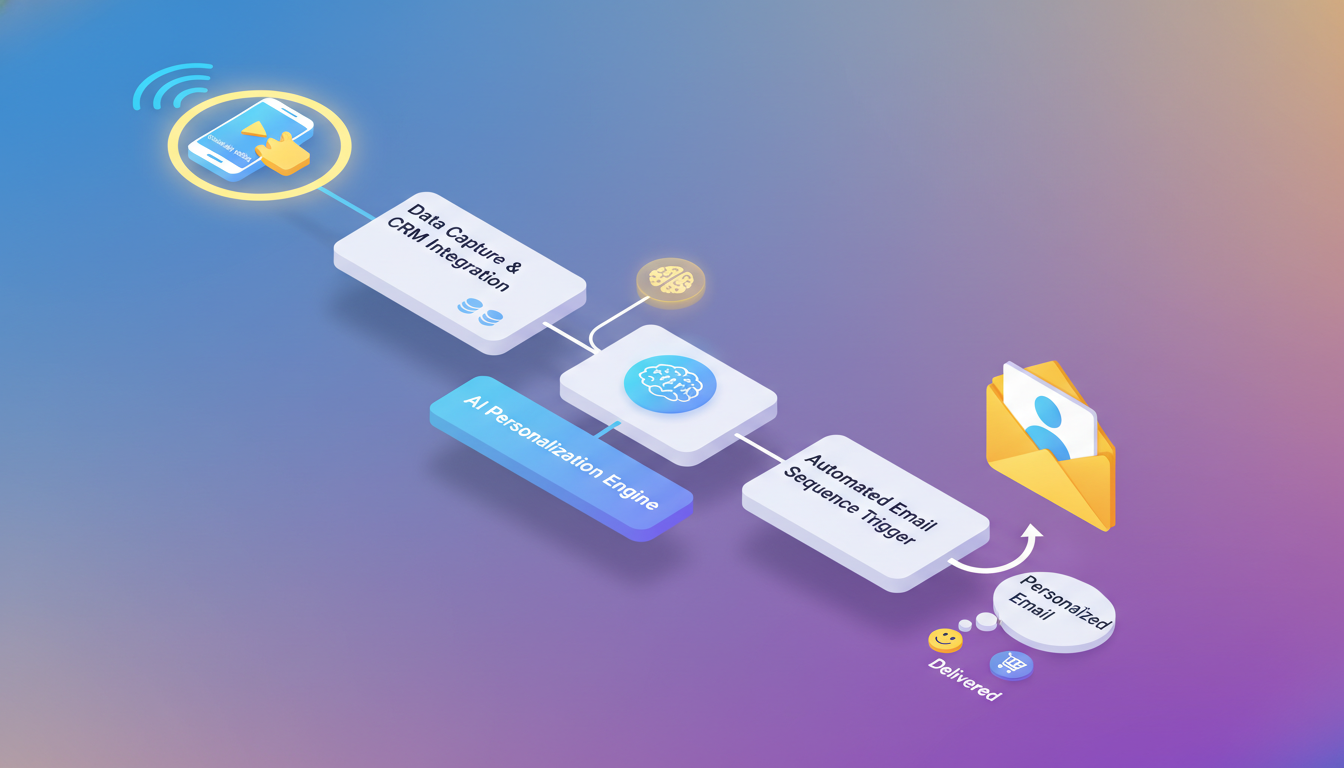
But here’s the kicker: automation alone is just a robot. To make it smart, you need a CRM. The CRM is the ‘brain.’ It stores every interaction a customer has with your brand—what they clicked, what they bought, and even that one time they complained about the font on your website. When you marry Automation with CRM, you get a system that doesn’t just send messages; it sends the right message to the right person at the right time.
The Marriage of the Century: Why CRM + Automation = Success
Think of CRM and Marketing Automation like Batman and Robin, or Peanut Butter and Jelly. Sure, they’re okay on their own, but together? They’re unstoppable. Here’s why this duo is a game-changer for your business:
1. Personalization at Scale
In the old days, ‘personalization’ meant writing a letter by hand. Later, it meant using a tag that said ‘Hi [First_Name].’ Today, customers are smarter. They want content that actually matters to them. With a CRM-integrated automation system, you can send an email about hiking boots only to the people who clicked on your ‘Top 10 Trails’ blog post. That’s not just marketing; that’s being helpful.
2. No Lead Left Behind
How many times has a hot lead gone cold because you forgot to follow up? It happens to the best of us. Automation ensures that every lead gets a ‘warm-up’ sequence. If someone downloads your e-book, the system automatically sends them a ‘thank you,’ then a follow-up three days later, then a special offer a week after that. You didn’t lift a finger, but that lead is now a loyal customer.
3. Better Data, Fewer Guesses
Marketing shouldn’t be a game of ‘throw spaghetti at the wall and see what sticks.’ Because the CRM tracks everything, you can see exactly which automated sequences are actually making money. You’ll know that ‘Email A’ has a 40% open rate while ‘Email B’ is a total dud. This allows you to pivot faster than a TikTok dancer.
The ‘Work Smarter, Not Harder’ Myth
You’ve heard the phrase a thousand times, but in the context of CRM marketing automation, it’s actually true. However, there’s a catch. You can’t just ‘set it and forget it.’
Imagine you set up an automated ‘Happy Birthday’ email for your clients. Great, right? But what if you forget to update the CRM, and you send a ‘Happy Birthday’ email to someone who passed away or a client who just had a major falling out with your company? Yikes.
The ‘Smarter’ part involves setting up the logic. You are the architect; the software is the builder. You need to design the ‘if/then’ scenarios. If the user clicks this, then send them that. It requires an initial time investment, but the ROI (Return on Investment) is astronomical.

Avoiding the ‘Uncanny Valley’ of Automation
One of the biggest fears people have about automation is sounding like a robot. We’ve all received those emails that feel cold, clinical, and slightly ‘off.’ To avoid this, you need to keep your brand’s voice alive.
Use casual language. Use jokes (if that’s your vibe). Use ‘I’ instead of ‘We’ to make it feel like a human is actually behind the keyboard. The goal is for the customer to feel like you’re talking to them, not at them. Automation is the vehicle, but your personality is the fuel.
Getting Started: A Quick Checklist
Ready to dive in? Don’t try to boil the ocean on day one. Start small:
1. Clean Your Data: A CRM is only as good as the info you put in it. Delete those duplicates and fix those typos.
2. Pick One Workflow: Start with something simple, like a ‘Welcome Sequence’ for new newsletter subscribers.
3. Define Your Goals: Are you trying to save time, increase sales, or improve customer retention? Know your ‘why.’
4. Test Everything: Send the emails to yourself first. Check the links. Make sure the ‘Hi [First_Name]’ tag doesn’t actually say ‘[First_Name].’
The Final Word
Marketing Automation with CRM isn’t about replacing humans; it’s about freeing humans to do what they do best: being creative and building relationships. By automating the boring stuff, you give yourself the headspace to dream up your next big idea.
So, stop drowning in your inbox. Stop losing sleep over forgotten follow-ups. Embrace the machines, feed your CRM some high-quality data, and watch your business grow while you finally get around to that hobby you’ve been ignoring. (Pottery, anyone?)
In the end, the companies that win aren’t just the ones with the best products; they’re the ones that provide the best experience. And in 2024, the best experience is powered by smart, automated, CRM-driven marketing. Time to get to work!